
When Color becomes Emotion
Rupesh Aravind
April 24, 2026
Rupesh Aravind is a fine art photographer based in Chennai, known for crafting visually striking and emotionally resonant imagery. His work blends artistic vision with technical precision, capturing moments that tell deeper stories beyond the frame. Specializing in creative and conceptual photography, Rupesh focuses on composition, light, and mood to create unique visual experiences. Through his lens, everyday scenes are transformed into compelling art. He actively shares his work on Instagram under the handle @rupesharavind_photography, building a growing audience that appreciates his distinctive style and passion for photography as a powerful form of expression.

Desaturated colors might suggest timelessness or melancholy, whereas vibrant colors can convey energy and intensity.
Fine art photography begins where documentation ends. It is not about recording what is in front of the lens, but about transforming it into something deeply personal. The photographer is no longer a witness, but a storyteller—shaping reality to reflect an inner vision.
Every element within the frame becomes deliberate. Light is sculpted, composition is controlled, and the subject is directed not just to exist, but to express. Among these elements, color holds a unique power. It is subtle, often unnoticed at first glance, yet it defines how an image is felt.
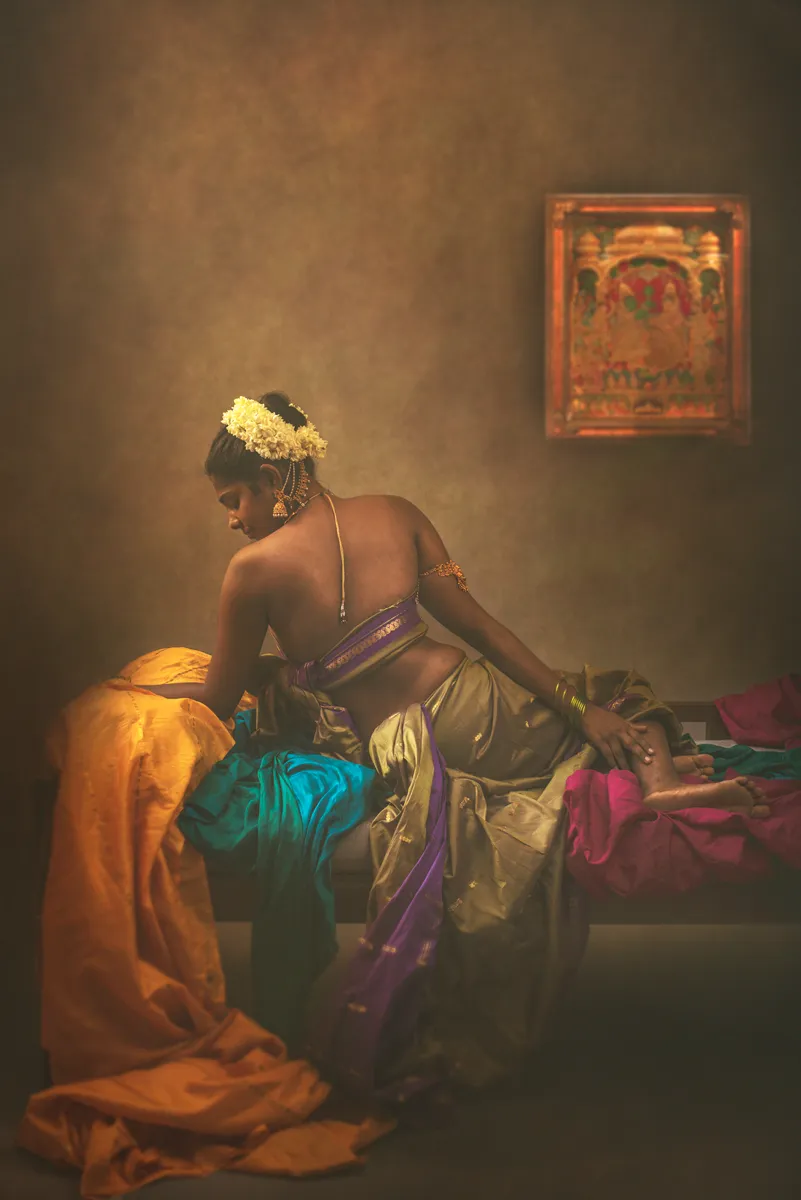
Color is be used to replicate reality—it can also be used to reinterpret it.
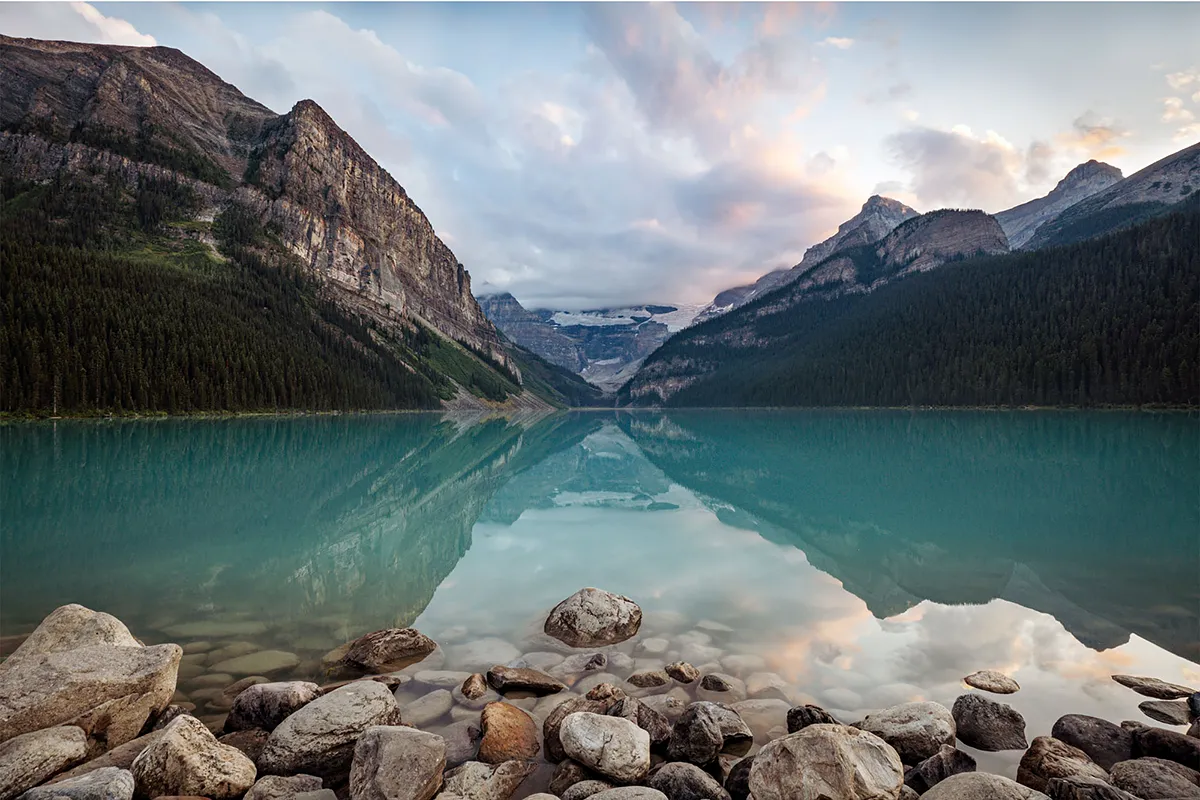
A shift toward warm tones can wrap an image in intimacy, suggesting memory, nostalgia, or quiet longing. In contrast, cooler hues can distance the viewer, creating a sense of solitude or introspection. When colors are muted, the image often feels timeless, almost suspended between past and present. When they are rich and saturated, they demand attention, evoking intensity and presence.
Color, in this sense, becomes emotional direction. It guides the viewer toward what to feel, not just what to see.
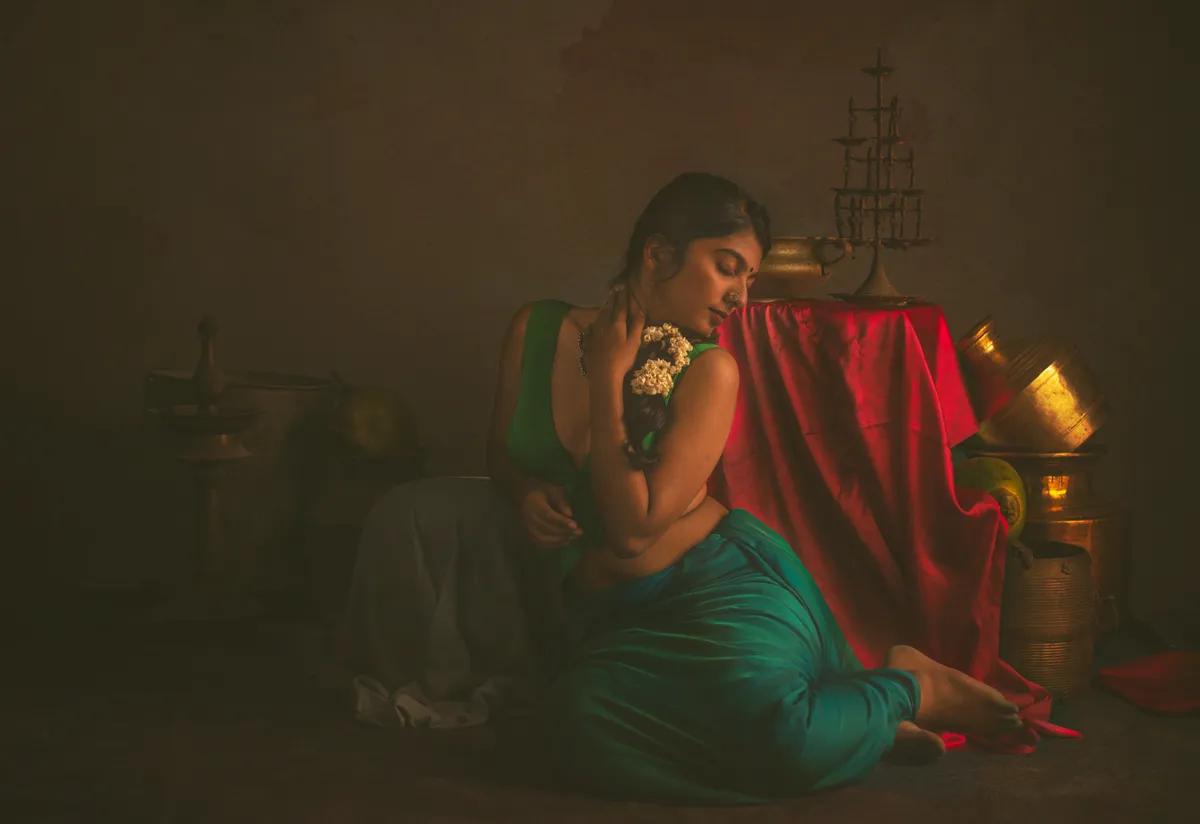
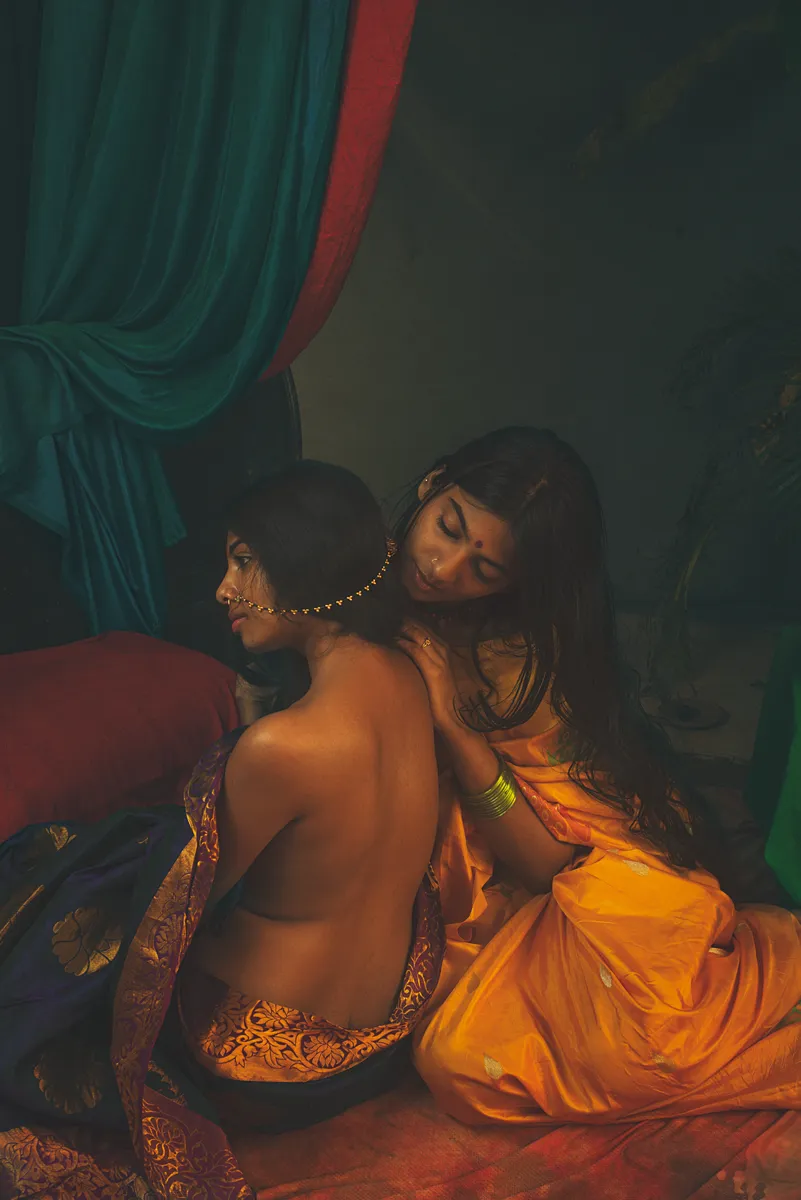
Color grading is where the photograph evolves into its final form. It is not correction—it is interpretation.
Through careful adjustments of tone, contrast, and color balance, the photographer shapes the atmosphere of the image. Shadows may be deepened to introduce mystery. Highlights may be warmed to soften the scene. A subtle shift in hue can transform an image from realism into something painterly, almost reminiscent of classical art.
In this process, the question is never “Is this accurate?” but rather “Does this feel right?”
A photographer’s style often reveals itself most clearly through color.
Some are drawn to earthy, subdued palettes that echo cinema and memory. Others embrace bold contrasts and luminous hues to create drama and immediacy. Over time, these choices become a signature—a visual language that makes the work instantly recognizable.
Developing this language is not formulaic. It comes from experimentation, from observing how colors interact, and from understanding how even the smallest shift can alter the emotional weight of an image.
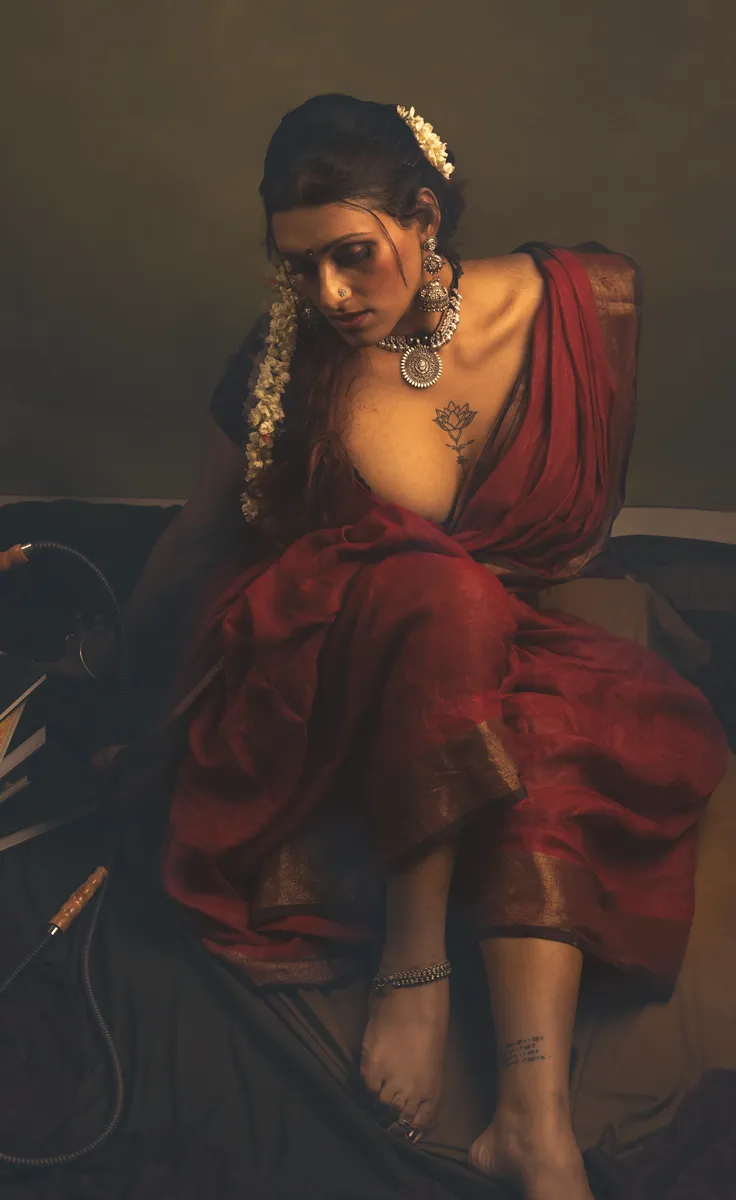
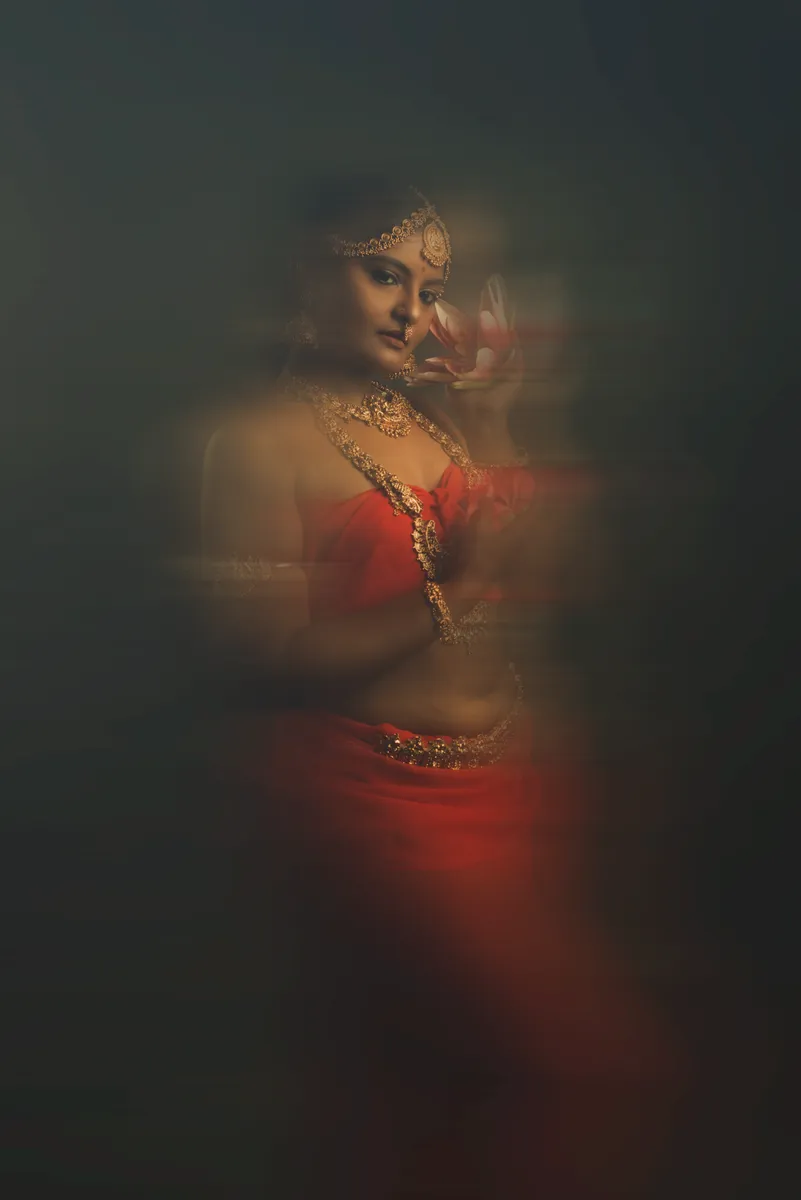
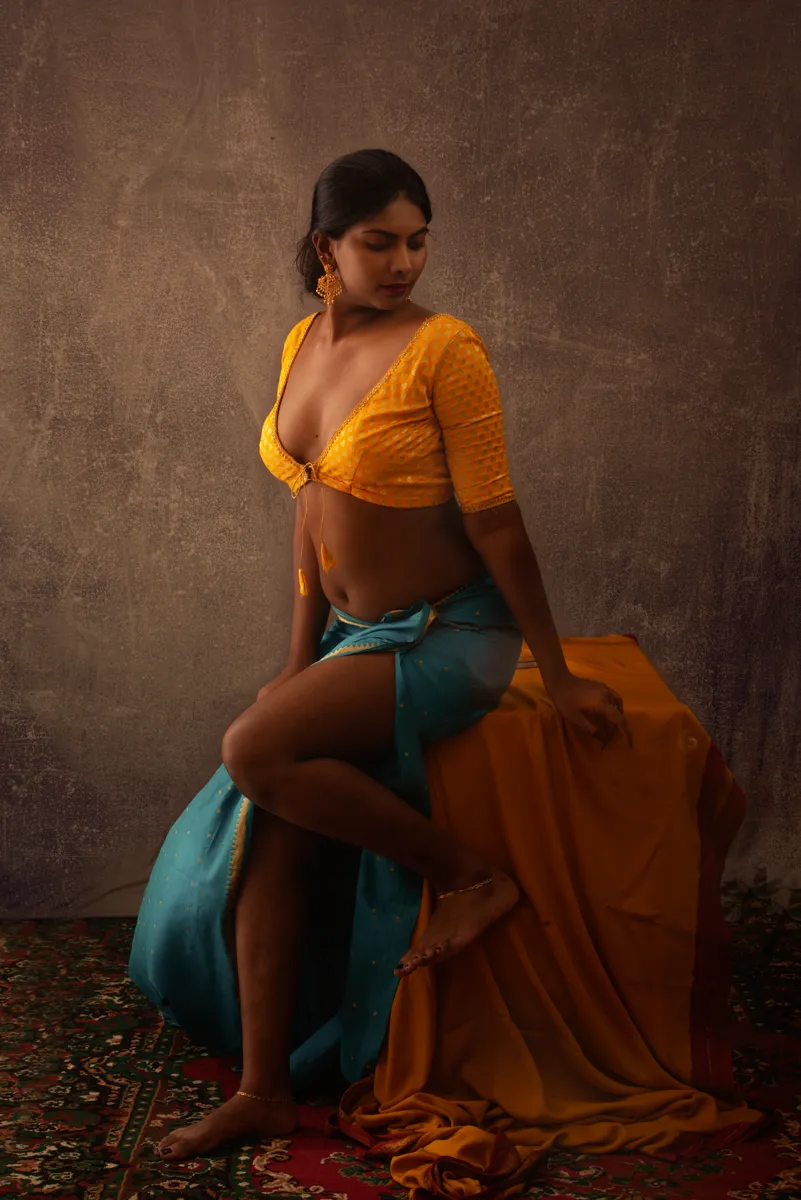
Ultimately, fine art photography is not about what is shown, but about what is felt. Color is one of its most powerful tools—not as embellishment, but as meaning. When used with intention, it transforms an image from a moment into an experience. It invites the viewer to pause, to interpret, and to connect. And in that quiet connection, the photograph becomes more than an image—it becomes art.
Related Articles
Related
The Human Element in Nature
by Neelima Azad
The Quiet between Moments
by Sarika Gangwal
Solitude
by Raju Alexis